
Para-karate
Karate’s philosophy focuses on ridding oneself of bad thoughts and embracing a clear mind and conscience. Shotokan karate founder Gichin Funakoshi describes the art as one that requires one to be humble on the inside and gentle on the outside. However, the sport has evolved greatly such that disabled people can now enjoy most if not all of its benefits. Para-karate, the newest branch of the discipline which has only recently been adopted as a Paralympic sport, embraces people with different types of disabilities, both physical and mental
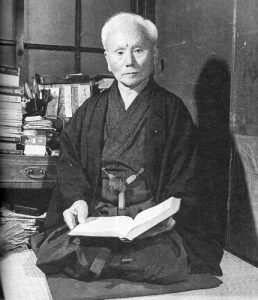 Contrary to popular belief, the karate discipline is not meant for combat. Even competitive meetings are not described as contests, but rather as exhibitions pitting different schools of karate against each other.
The precious life lessons embodied in the practice and education of karate are valuable for everyone. The seemingly intense nature of the sport makes it appear unsuitable for disabled people; after all, it demands some qualities that they could not achieve – sharpness, focus, agility, and strength.
Adaptation of the sport for disabled artists depends on the specific type of disability. Authorities like the Para-karate committee f the World Karate Federation (WKF) look to come p with practice and competition rules that can help disabled players overcome their handicaps. Para-karate categories include as introduced over the next paragraphs:
Visual impairment category
Karatekas in this category have the handicap of not being able to use their eyes to maintain focus and timing. There are different degrees of visual impairment which include partial and complete blindness.
In the European competition held in Serbia in May 2018, Spaniard Francisco Jose Lozano wowed the crowd with an Anan kata performance in the visually impaired category.
Wheelchair category
Players with absolute impairment of the limbs participate in this category. The major adaptation here is the absence of kicks and felling of opponents. Rather, displays focus more on maneuvering and ability to evade advancing opponents.
Marina Kukilova of Russia won the continental title in the same Europe para-karate competitions held in Serbia. The Russians were especially excellent in this category, claiming four medals of the six on offer.
Intellectual impairment category
This category is for people with mental handicaps that make it difficult to learn or interact socially with other people. People with different autism disorders fall under this category. For para-karatekas in this bracket, practice and performance is not just a sport- it doubles up as a form of therapy. It helps participants overcome some of the handicaps that make it difficult for them to lead a normal life.
At the event in Serbia, Jordan Fonteney of France was the standout performer in this category.
Other para-karate categories
Other para-karate categories include those for people with one-hand disabilities, limb disabled people on prosthetics and hearing impairments among others. In each category, the rules are adapted depending on the severity of the disability.
The aim is to embrace as many disabled people as possible without losing the key aspects that make karate such a rewarding discipline – perseverance, self-control and discipline. The incorporation of the sport into the Paralympics will only work to strengthen para-karate.